





The Legacy of Tiberius Gracchus's Agrarian Law: The Land Question and Political Struggle in Rome in the 20s BC
19.99 €
The only thing available 1
The Legacy of Tiberius Gracchus's Agrarian Law: The Land Question and Political Struggle in Rome in the 20s BC
19.99 €
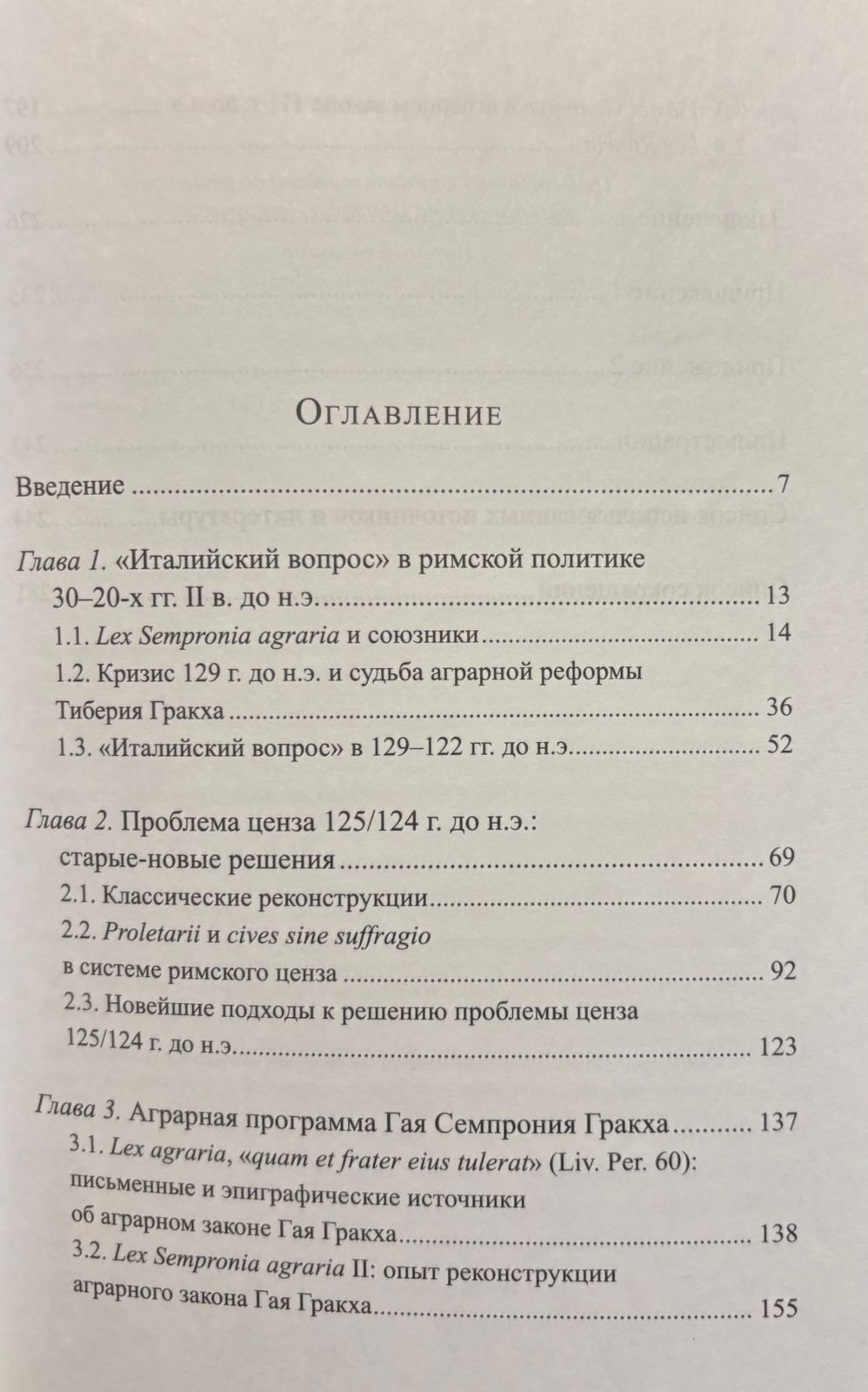
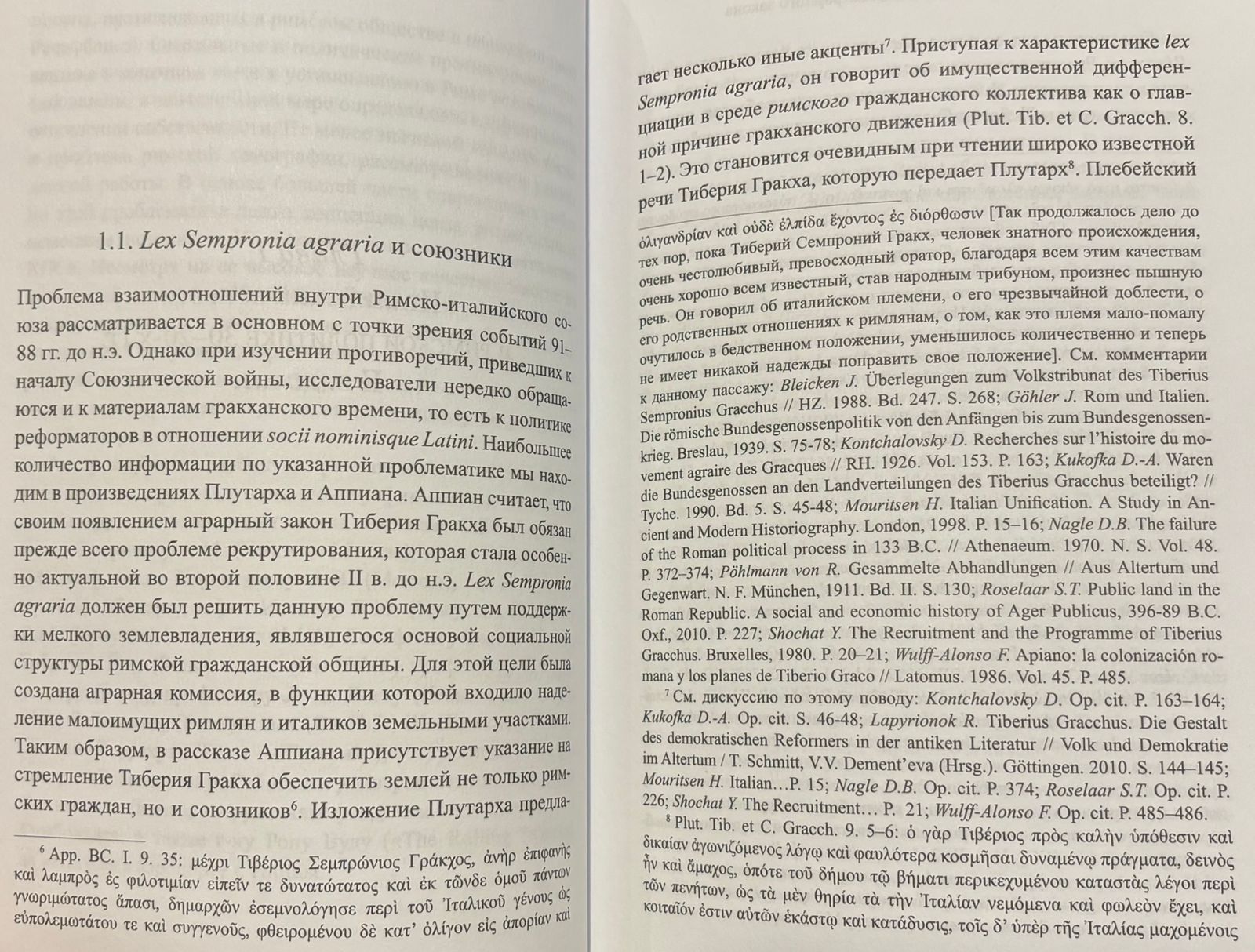
This book examines a wide range of historical issues related to the agrarian reform of Tiberius Sempronius Gracchus (133-124 BC) and the legislative work of his younger brother, Gaius. Drawing on ancient sources (written, epigraphic, and archaeological), it attempts to shed light on some little-studied events in the history of the Gracchan movement, such as the political crisis of 129 BC, the census of 125/124 BC, and the agrarian law of Gaius Gracchus. Furthermore, it evaluates the latest concepts (primarily foreign) on the socioeconomic and political development of Rome during the Gracchan period.
Equal attention is given to the issue of continuity in the policies of the Gracchan brothers, as well as the fate of agrarian reform after the crisis of 129 BC. In particular, the author concludes that Gaius Gracchus proposed an agrarian law whose content bore little resemblance to his older brother's lex Sempronia agraria. Due to lack of access to the land resources of the ager occupatorius fund, he was forced to limit himself to establishing a few colonies (including in the province of Africa), as well as establishing new and restoring old settlements of "roadside dwellers."
The book is intended for specialists in classical history and Roman law, for teachers, graduate students, and undergraduates in history departments, as well as for anyone interested in classical historiography and the history and culture of Ancient Rome.
Equal attention is given to the issue of continuity in the policies of the Gracchan brothers, as well as the fate of agrarian reform after the crisis of 129 BC. In particular, the author concludes that Gaius Gracchus proposed an agrarian law whose content bore little resemblance to his older brother's lex Sempronia agraria. Due to lack of access to the land resources of the ager occupatorius fund, he was forced to limit himself to establishing a few colonies (including in the province of Africa), as well as establishing new and restoring old settlements of "roadside dwellers."
The book is intended for specialists in classical history and Roman law, for teachers, graduate students, and undergraduates in history departments, as well as for anyone interested in classical historiography and the history and culture of Ancient Rome.
See also:
- All books by the publisher
- All books by the author